
An ode to the epistolary novel
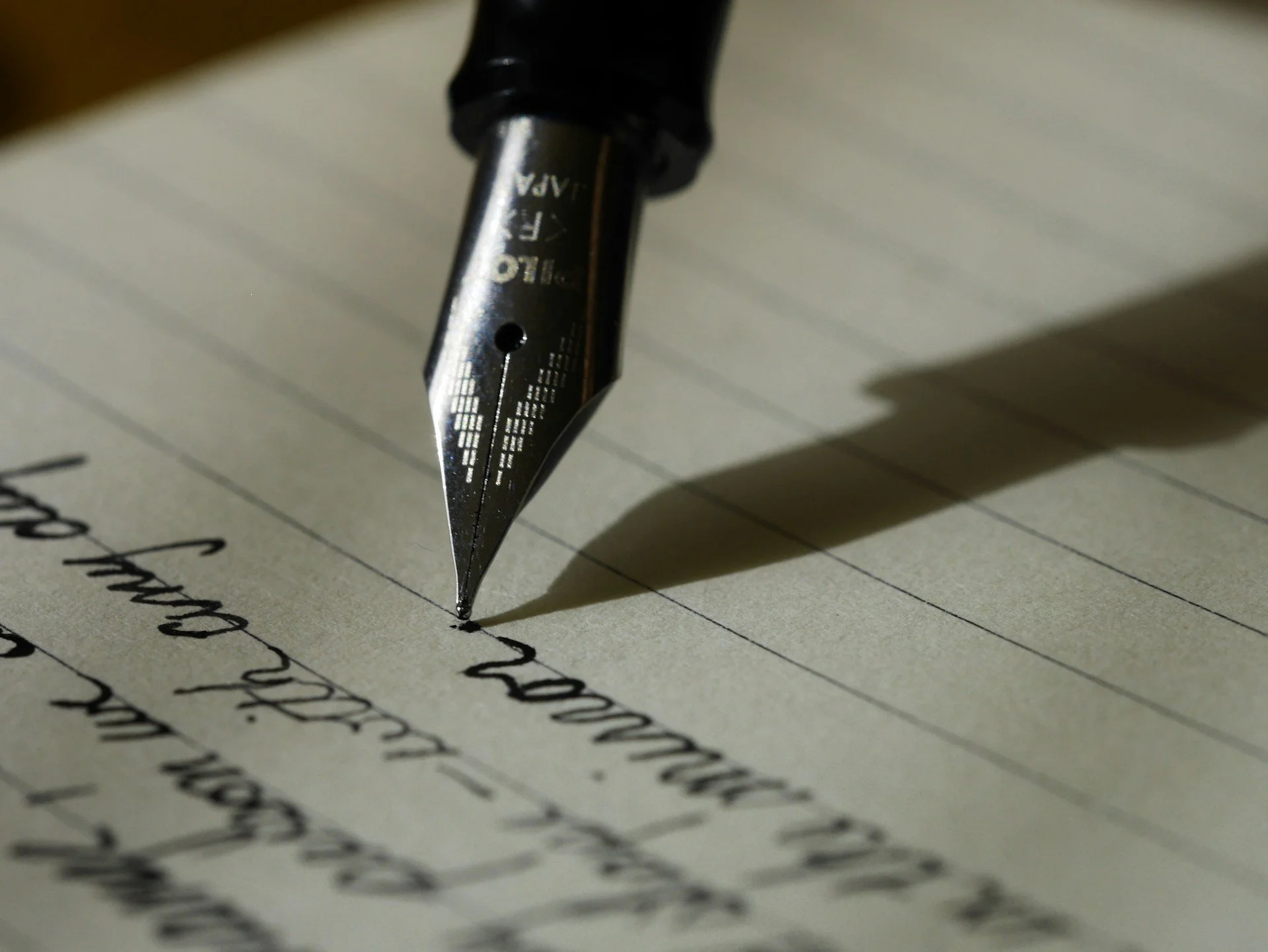
Photo by Aaron Burden on Unsplash
From its prevalence in the earliest days of publication, the epistolary novel is now less common, yet still it persists. Perhaps it’s to do with the thrill of receiving a humble handwritten letter.
My partner is reading Clarissa, a novel written by British author Samuel Richardson in 1748. As the book comes in at a whopping 1,500-odd pages, he’s reading it with a friend, and they’ve pledged to read 50 pages a week to discuss.
Clarissa, like many novels published in the 1700s, is written in epistolary form. Then, letter writing was the primary form of communicating both business and personal matters. It makes sense that novels in their nascent days embraced the form.
While some might argue that the art of letter writing is lost to time, destined for the sepia tone of remembrance in such social media accounts as Shaun Usher’s Letters of Note, the epistolary novel has never fully gone away. Indeed, in their 2017 article in The Guardian, titled ‘Top 10 modern epistolary novels’, co-writers Jenn Ashworth and Richard V Hirst declare the genre to be in ‘rude health’.
With no objective voice, the prose is always skewed, personal and unreliable, making this a highly engaging form of narrative. There is something so intimate about a letter addressed to someone else that reading it feels like you’re being let in on a secret.
The Correspondent by Virginia Evans is proof that you don’t have to wade through thousands of pages of 250-year-old text to enjoy the form.
Published in 2025, this New York Times bestseller is made up of almost a decade’s worth of letters chiefly from, but also to, retired lawyer and titular correspondent, Sybil Van Antwerp. With her children grown and career over, Sybil finally has time to write, and this she does with admirable dedication and frankness. She writes not only to loved ones, but to her favourite authors, former colleagues and complete strangers.
When Mick, a former work contact, is eager to reconnect with Sybil, he chides her for forcing him to write a letter to reach her, referring to her practice of letter writing as ‘quaint and impractical’. Mick’s got a point. It certainly takes more time to put pen to paper, and a different mindset too.
Perhaps the fact the letter is a tangible object gives it more gravity than tapped out messages, destined to be deleted. A letter calls for more thought, more considered phrasing. After all, the recipient may keep it and reread it.
There is something uniquely special about writing and receiving a handwritten letter. The Correspondent has inspired me to write them again, if only to revive the presence and care it prompts in both writer and reader.