
The productivity of rest
Respected thinkers and leaders have long recognised the benefits of carving out uninterrupted time to think. But what about the benefits of doing nothing at all?
With the pace of life speeding up by the day, it can be hard to switch off. We’re so used to turning to our devices in moments of downtime. I’ll just check my Insta feed, see what’s happening in the news, listen to a podcast while running. But do we ever allow ourselves to just be without doing?
Our urban world is incredibly noisy, not just literally, but our social media feeds are also constantly shouting at us. Do this, stop doing that, buy that, improve this … So. Much. Noise. It can be very difficult to tune into our inner voice, our precious inner wisdom, amid the cacophony.
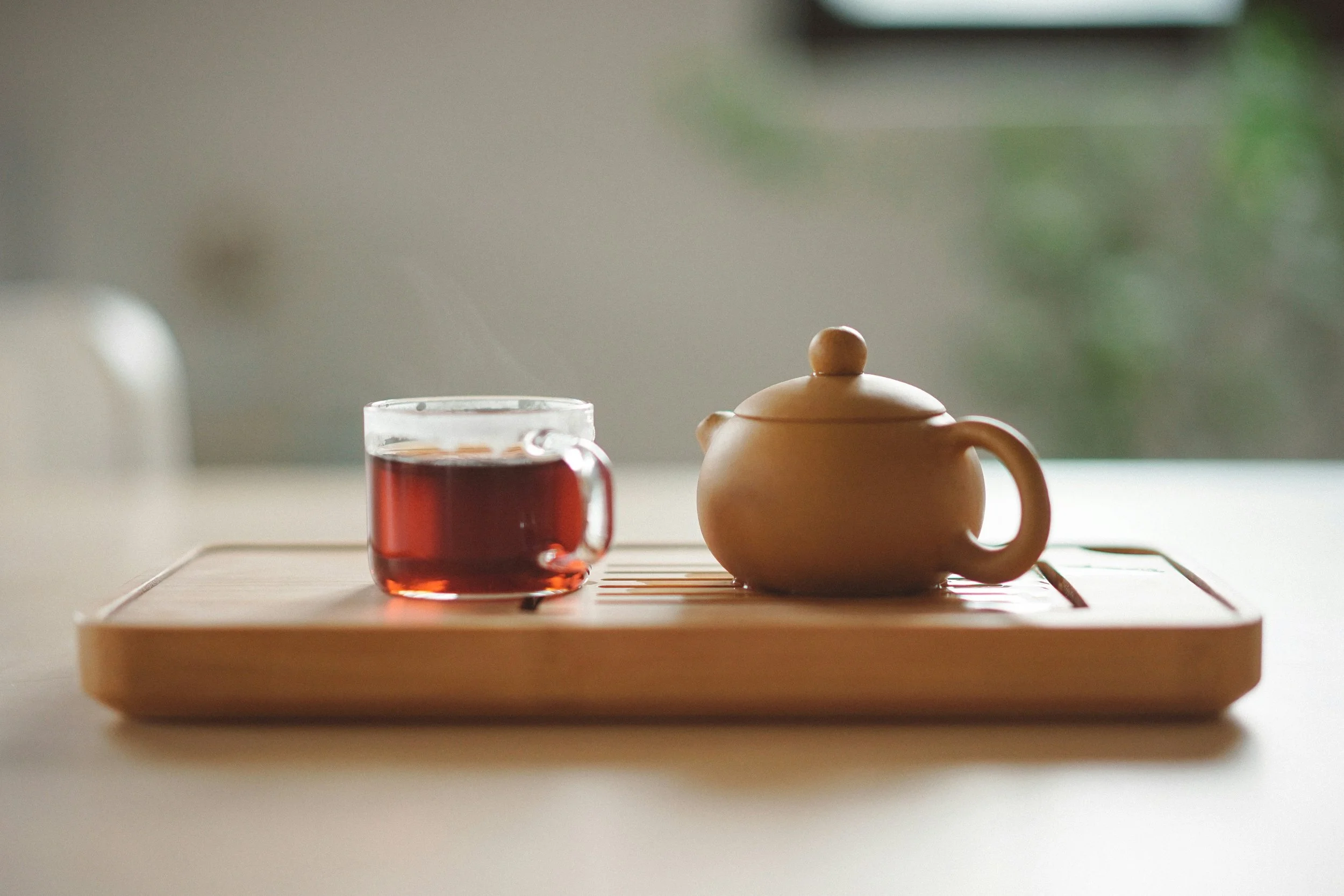
Recovering from a 2-week illness, the doctor prescribed rest. While I practised yoga and meditated regularly, as I suspected, this was harder than it sounded. I challenged myself to finish an entire cup of tea and do nothing else.
But even as the kettle boiled, my mind began running through a long to-do list. While I’d been unwell, the dust had thickened, the washing piled up, the food supplies dwindled. No, all that could wait. How long could drinking a cup of tea actually take? I could do this!
I turned my armchair to face the garden rather than the television and settled in. The tea leaves were brewing, I was patiently waiting … then, I stood up. ‘I’ll just pop a load of washing on.’ No! Sit back down. Breathe in. Breathe out. Pour the tea.
Holding the cup, I pondered, why was this so difficult? It was one cuppa. A daily ritual. But the act of not doing anything felt so foreign. I realised how trained I was in always, always, doing something.
In my family, laziness – indicated by being seated – was unacceptable. And my own natural work ethic made it feel wrong to just sit there with chores waiting. But also, why couldn’t I just give myself a mere 5 minutes without feeling agitated?
I remembered my yoga practice and focused on my breath. With gentle loving kindness, I reminded myself that resting was imperative to a full recovery. It was OK for me to sit in stillness and be rather than do.
That first challenge felt like climbing a mountain. But as with any new practice, I got better at it.
Years on, I still need to remind myself to rest and focus on breathing in and out, and do nothing else. But when I do it, my brain feels thoroughly cleansed, and I notice how much more productive I am afterwards. Forcing myself to keep going when my eyes are straining and my brain’s fried never leads to quality output.
Now, when my body alerts me to the need for a break, I’m better at listening. Five minutes can still feel like an eternity, but it also feels as refreshing as a walk in nature, especially when my eyes are staring into the middle distance rather than being trained on a screen. I’ve learned that meeting the challenge of resting is one of the most productive things I can do.